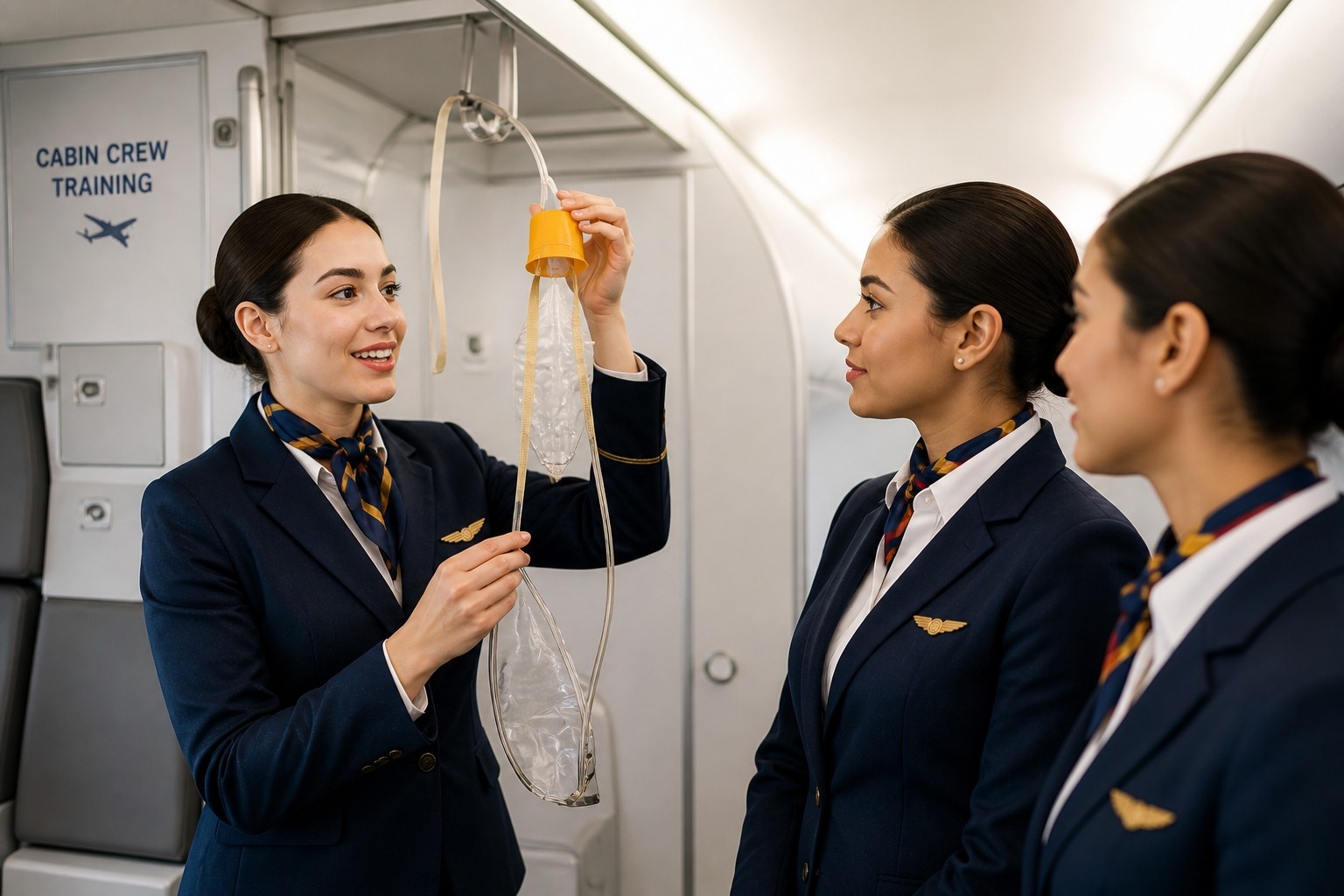

That shift is exactly why a flight attendant certification has become a nice-to-have qualification, especially in Canada’s aviation sector.
For aspiring cabin crew professionals, completing a professional cabin crew training program in Canada can directly impact your interview opportunities, recruiter confidence, and long-term career growth. Whether someone dreams of working in Canada’s domestic airlines or international carriers, proper aviation training is the factor that can differentiate them from other candidates.
And in cities with growing aviation opportunities like Vancouver, students are increasingly searching for the right flight attendant course in Vancouver that combines industry exposure with practical training.
This blog explores why certification in aviation matters in 2026 and what recruiters are actually looking for and how future cabin crew professionals can improve their chance of employability.
The Aviation Industry Is Hiring Differently In 2026
The modern airline industry is moving toward skill-based hiring.
According to the International Air Transport Association (IATA), global air passenger traffic is increasing, and it continues to grow steadily with airlines expanding fleets. Canada’s aviation sector is also seeing renewed hiring demand across domestic and international airlines.
Airlines are also investing more heavily in safety training, passenger experience, and crew readiness. That means recruiters prefer candidates who have foundational aviation knowledge through a professional aviation career training program.
This is where certification changes the equation.
A candidate with formal cabin crew education often arrives with the following:
- Knowledge of airline safety procedures
- Familiarity with aviation terminology
- Customer handling skills
- Emergency response understanding
- Grooming and professionalism training
- Practical interview preparation
For recruiters, this reduces onboarding challenges and shortens training adaptation time.
What Does Flight Attendant Certification Actually Teach?
Many aspiring cabin crew professionals assume that airline jobs are mostly about traveling or customer services. But in reality cabin crew roles are deeply connected to safety standards, crisis management, and passenger operations.
A structured flight attendant training program in Canada prepares students for situations that can be serious in an airline.
- Passenger Safety Procedure: A training program prepares students for passenger evacuation procedures, emergency equipment handling, and turbulence safety.
- Emergency Preparedness: From medical emergencies to fire response protocols, aviation certification introduces students to real-world airline emergency scenarios.
- Professional Communication: Airlines value crew members who can stay calm and manage stress under murder. Training certification often includes modules like passenger communication and conflict handling.
- Grooming and Airline Presentation: Professional appearance standards remain important in airline standards. Many flight attendant courses in Vancouver programs help students understand airline grooming.
- Hospitality and Service Standards: Cabin crew members represent the airline brand throughout the journey. The certification program focuses on premium customer service and passenger satisfaction.
Why Airlines Prefer Certified Candidates
While airlines conduct internal training first, they yet see external certification as proof of seriousness, preparedness, and commitment.
Here’s how certification improves hiring potential.
| Certified Candidates | Non-Certified Candidates |
| Understand aviation before interviews | Need foundational airline education |
| More confident during the recruitment process | Often unfamiliar with airline expectations |
| Better prepared for group discussions | May struggle in aviation-specific evaluations |
| Demonstrate commitment to aviation careers | May appear less industry-focused |
| Faster adaptation during airline training | Longer learning curves |
The difference matters because employment in airlines is highly competitive.
Recruiters often assess the following:
- Communication under pressure
- Team collaboration
- Grooming standards
- Situational awareness
- Passenger handling ability
- Professional discipline
Candidates with formal flight attendant certification tend to perform more confidently because they have already practiced during their training.
The Growing Demand For Cabin Crew Professionals In Canada
Canada’s aviation continues to evolve post-pandemic, creating long-term opportunities in airline operations and hospitality-driven aviation roles.
According to reports from the Government of Canada Job Bank, employment opportunities for flight attendants are expected to remain strong and stable across all the provinces of Canada in coming years.
Main aviation hubs, such as:
- Vancouver
- Toronto
- Calgary
- Montreal
They continue to see increasing airline activity and international route expansion. This is one of the reasons why searches for cabin crew training in Canada and flight attendant courses in Vancouver have significantly grown globally.
Why Vancouver Is Becoming A Popular Destination For Aviation
Vancouver has significantly become Canada’s growing destination for aviation.
The city offers:
- International airport connectivity
- Exposure to multicultural passenger environments
- Tourism-driven aviation opportunities
- Access to hospitality and airline ecosystems
Students that pursue a flight attendant course in Vancouver really learn from environments that are very similar to the ones in real airports or on airlines.
Another advantage is industry exposure.
Many aviation institutes that focus heavily on practical preparations rather than classroom theory, they include:
- Mock airline interviews
- Safety demonstrations
- Customer service simulations
- Personality development sessions
- Aviation etiquette workshops
These real experiences make students feel far more prepared during the actual airline recruitment process.
What Students Should Look For In Training Beyond Flight Attendant Certification
Not all aviation courses are designed to give you the same value. Before enrolling in a Flight Attendant Training Program in Canada, students should evaluate whether the program prepares them for actual airline jobs or practical theory tests.
Here are some important factors to consider.
-
Industry-relevant curriculum:
The course should include:
- Safety and emergency procedures
- Passenger service training
- Airline communication standards
- Grooming modules
- Interview preparation
-
Practical Exposure:
Hands-on training matters in the aviation industry. Programs that include actual real-situation training, emergency drills, and cabin crew exercises often prepare students for better airline opportunities.
-
Career Support:
Students should look for institutions that provide the following:
- Resume guidance
- Interview preparation
- Career counseling
- Industry networking opportunities
-
Experienced Trainers:
Learning from aviation professionals or former cabin crew professionals can provide practical industry insights that textbooks can not.
The Future Of Airline Hiring Will Be More Skill Focused
The future of aviation recruitment is shifting toward verified capability rather than generic resumes.
As airlines are continuing to modernize the recruitment processes, candidates who can demonstrate real-world readiness will stand out in the job market.
Which includes:
- Aviation knowledge
- Safety awareness
- Passenger communication skills
- Operational understanding
- Professional training exposure
A recognized flight attendant certification shows the candidate has already invested in learning industry standards before entering recruitment.
Final Thoughts
Aviation careers continue to evolve in Canada, and so are the expectations of airlines.
Today, becoming a successful cabin crew professional is not only limited to passion for travel. Airlines want candidates who understand responsibility, passenger care, and safety procedures.
That is why enrolling in a structured Flight Attendant Training Program in Canada can play a major role in shaping both employability and confidence.