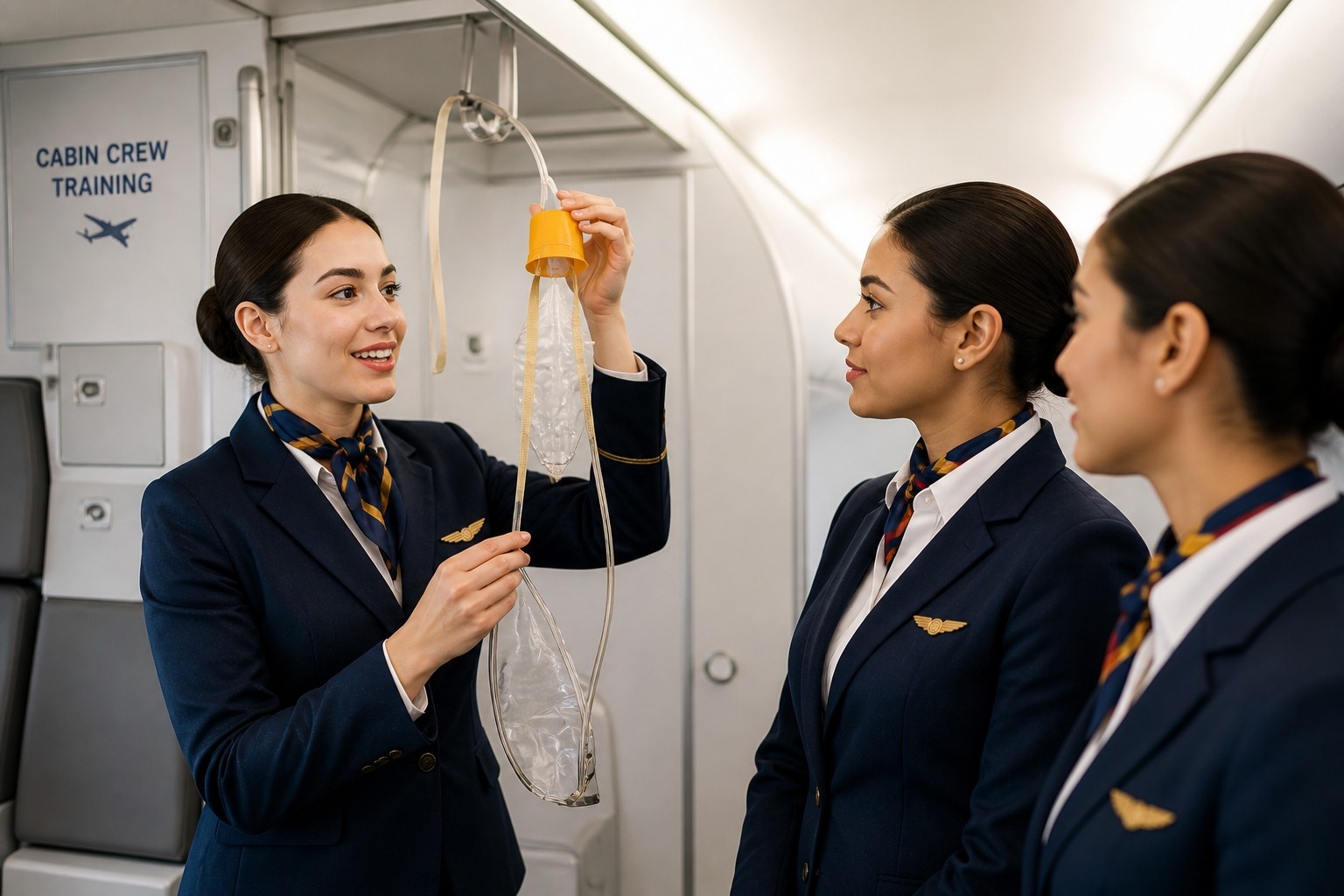

For students who are exploring careers after class 12, or professionals who are looking out for career changes, a well-structured airline cabin crew course is becoming more than just a certification. It is now a practical pathway into global aviation careers.
But there is something that confuses a lot of students.
A look course that looks glamorous online without properly explaining the actual job demand, what airlines expect in 2026, and how salaries grow over time may not be relevant for the current demand. The reality is that airlines today hire candidates who are professionally trained, customer-focused, adaptable, and comfortable.
That is exactly why choosing the right professional flight attendant training matters.
Aviation Careers In Canada Are Growing Faster Than Many Students Realize
Canada’s aviation and airport operations sector has steadily grown and recovered post-pandemic. According to the Government of Canada’s labor outlook, aviation-related roles are expected to remain in demand due to increased passenger travel, workforce shortages, and airline expansion.
At the same time, airlines are no longer hiring only based on personality and appearance. Training now plays a much larger role in recruitment decisions.
Modern airlines are expecting students to understand the following:
- Passenger handling
- Emergency procedures
- Airline customer service
- Grooming standards
- Cultural sensitivity
- Conflict management
- Aviation hospitality
- Team coordination
- Safety compliance
That’s why students are no longer looking for a “course”. They are searching for career readiness.
What Does Professional Flight Attendant Training Actually Teach?
A strong professional Flight Attendant Training Program is designed to prepare students for real airline operations instead of only classroom theory.
Most reputable aviation colleges in Canada focus on combining customer service, communication skills, safety knowledge, and aviation etiquette into one structured learning experience.
Here’s what students typically learn during a modern airline cabin crew course:
| Training Area | Why It Matters in Real Airline Jobs |
| Cabin Safety Procedures | Essential for emergency preparedness and airline compliance |
| Passenger Communication | Helps handle diverse travelers confidently |
| Airline Customer Service Training | Improves passenger experience and conflict resolution |
| Aviation Hospitality Training | Builds professionalism and service standards |
| Grooming & Presentation | Important for airline brand representation |
| Team Coordination | Cabin crew work depends heavily on teamwork |
| Emergency Response Basics | Prepares crew for real-time situations |
| Interview Preparation | Helps students prepare for airline recruitment rounds |
The biggest misconception among students is having a belief that cabin crews only serve passengers on flights. In reality, airlines are hiring professionals who can handle operations calmly while maintaining excellent passenger experience.
That balance between hospitality and responsibility is what quality aviation career training develops.
Why Airlines Value Customer Service Skills More Than Ever
Passenger expectations have changed significantly over the years. Today travelers expect faster assistance, personalized service, smoother communication, and no stressful situations. This is why airlines have prioritized candidates with strong airline customer service training.
According to the International Air Transport Association (IATA), global passenger traffic has continued rising strongly, with airlines increasingly investing in customer experience to remain competitive.
For cabin crew professionals, that means communication skills are now just as important as technical knowledge.
Students who are entering the aviation industry will benefit only if they are trained in the following:
- Passenger psychology
- Problem-solving
- Hospitality communication
- Professional etiquette
- Customer handling under pressure
This is also why many aviation colleges are integrating aviation hospitality training into cabin crew programs rather than teaching safety alone.
Salary Comparison Of Cabin Crew In Canada In 2026
One of the biggest questions students ask before joining a cabin crew preparation course is whether aviation offers long-term career growth.
And the simple answer to this is yes, especially for those professionals who continue developing their skills and experience.
A realistic overview of salary for flight attendants in 2026 based on industry averages from recruitment platform is as follows:
| Career Level | Estimated Annual Salary in Canada | What Usually Changes |
| Entry-Level Flight Attendant | CAD $38,000 – $52,000 | Regional routes, beginner responsibilities |
| Mid-Level Cabin Crew | CAD $55,000 – $75,000 | International routes, stronger airline exposure |
| Senior Cabin Crew / Lead Attendant | CAD $80,000+ | Supervisory roles, premium airline operations |
Many students don’t realize that aviation careers also includes:
- Travel benefits
- International exposure
- Flexible work schedules
- Hospitality career transitions
- Airport operations opportunities
- Airline management pathways
For some students, cabin crew becomes a long-term career opportunity, and for others, it opens the door to tourism, luxury, hospitality, and customer operations.
What Makes A Good Cabin Crew Preparation Course In 2026?
In 2026, students should look beyond marketing promises and focus on practical, ready courses. A reliable cabin crew preparation course should ideally include:
- Industry-Focused Curriculum: The training should match industry-relevant expectations rather than outdated theoretical modules.
- Interview Preparation: Airline hiring processes involve multiple rounds, including grooming checks, communication assessments, and situational interviews. Students benefit when colleges prepare them for recruitment stages.
- Personality Development: Personality traits like confidence, communication clarity, and professionalism matter when it comes to airline selection.
- Real Hospitality Exposure: A Good aviation hospitality training institute teaches students how premium service standards actually work in real passenger environments.
- Experienced Trainers: Faculty with experience in aviation or airline operation usually provide more practical industry insights compared to purely academic-oriented courses.
Final Thoughts: Choosing The Right Aviation Training Institute Matters
Aviation careers in 2026 are no longer limited to old stereotypes of “travel jobs.”
That is why choosing the right aviation career training program can genuinely shape long-term opportunities. Explore Eton College’s professional Flight Attendant Training Program.
If you are exploring aviation as a serious career option, this is the right time to understand how the industry works, what airlines expect, and what type of training actually prepares students for real opportunities.